Post-Traumatic Stress Disorder
Post-Traumatic Stress Disorder (PTSD) is a serious psychiatric condition that can develop after exposure to terrifying or life-threatening events, including combat, assault, accidents, or chronic trauma. It affects approximately 7–8% of the general population over a lifetime and up to 30% of combat veterans returning from deployment. PTSD is not simply a psychological response — it is a disorder of the brain, characterized by measurable structural and functional disruptions in the neural circuits that regulate fear, memory, and emotion.
The condition is driven by dysfunction in the fronto-limbic circuit — primarily disrupted communication between the prefrontal cortex, hippocampus, and amygdala — and is accompanied by white matter microstructural damage, cerebral hypoperfusion, and chronic neuroinflammation. Standard treatments including psychotherapy (CPT, PE) and antidepressant medications leave a substantial portion of patients with persistent, disabling symptoms.
Understanding PTSD
PTSD requires targeted interventions that address both the functional and structural disruptions in the brain. Because the condition involves measurable brain changes — including reduced prefrontal cortical activity, hippocampal volume loss, and fronto-limbic white matter disruption — effective treatment must go beyond symptom management to address the underlying neurological injury. Emerging research has established that interventions promoting neuroplasticity, cerebral oxygenation, and neural circuit repair can produce meaningful and lasting symptom reduction, including in patients who have not responded to conventional approaches.
Post-Concussion Syndrome (PCS) Symptoms
- Intrusive thoughts, flashbacks, or nightmares
- Avoidance of trauma-related situations
- Anxiety, irritability, or emotional distress
- Brain fog and difficulty concentrating
- Hypervigilance and heightened startle response
- Sleep disruption and fatigue
Extivita Therapies for Post-Traumatic Stress Disorder

Hyperbaric Oxygen Therapy

Neurofeedback Therapy

Nutritional IV Therapy

Pulsed Electromagnetic Field Therapy (PEMF)
Hyperbaric Oxygen Therapy for PTSD
Hyperbaric Oxygen Therapy (HBOT) involves breathing 100% medical-grade oxygen inside a pressurized chamber, typically at 2.0 atmospheres absolute (ATA). This pressurization allows your blood plasma to carry significantly more oxygen than normal, delivering it deep into tissues—including areas affected by poor circulation, inflammation, or treatment-related damage.
For individuals with breast cancer, this increased oxygen delivery can help create an environment less favorable for cancer cells, which often thrive in low-oxygen (hypoxic) conditions. HBOT may also help reduce inflammation, support immune function, promote tissue repair after surgery or radiation, and improve nutrient delivery at the cellular level. By enhancing the body’s natural healing and recovery processes, HBOT serves as a powerful complementary therapy to conventional breast cancer treatments, supporting overall wellness and quality of life during and after care.
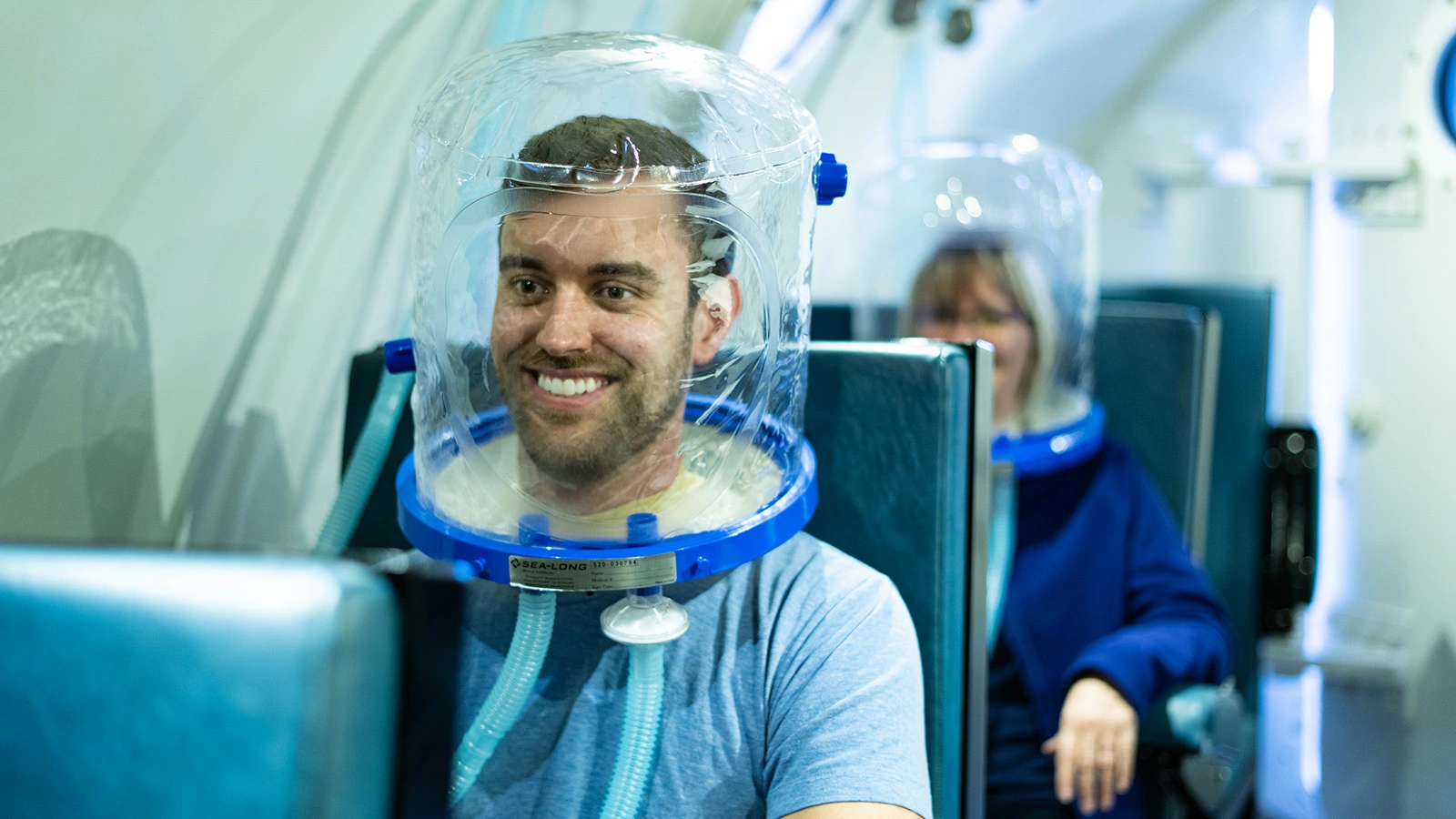
HBOT research shows how individuals with PTSD may benefit from:

Neuroplasticity and Brain Repair
PTSD is associated with measurable white matter damage in the fronto-limbic tracts, genu of the corpus callosum, and fornix — the structural pathways connecting the prefrontal cortex to memory and emotion centers. HBOT drives neuroplasticity through the hyperoxic-hypoxic paradox: cycles of high oxygen followed by relative normalization trigger gene expression changes that stimulate neuronal stem cell proliferation, mitochondrial biogenesis, angiogenesis, and synaptogenesis. In the landmark Sagol Center RCT, veterans who completed 60 HBOT sessions showed significant increases in fractional anisotropy (DTI white matter integrity) in these exact regions — structural changes that correlated directly with symptom improvement.

Fronto-limbic Circuit Restoration
The core neurological dysfunction in PTSD involves a hyperactive amygdala combined with a hypoactive prefrontal cortex — the brain cannot properly regulate fear responses. HBOT-driven cerebral oxygenation restores function to hypoperfused regions of the brain. Functional MRI studies from the Sagol Center show that HBOT treatment normalizes connectivity across all three major networks disrupted in PTSD: the default-mode network (trauma memory processing), the central-executive network (cognitive control and emotional regulation), and the salience network (threat detection and interoception). These are not subjective reports — they are objective neuroimaging findings demonstrating restored circuit function.

Clinically Significant and Durable Symptom Reduction
In the 2024 sham-controlled RCT published in the Journal of Clinical Psychiatry (PMID 39566051), 60 sessions of HBOT produced a 39% reduction in CAPS-5 PTSD severity scores (from 42.57 to 25.8), bringing veterans below the diagnostic threshold for PTSD. The sham group worsened over the same period. Critically, a 2-year follow-up study (PMID 36433746) confirmed that gains were fully maintained at an average of 704 days post-treatment — with no additional sessions. A 2026 meta-analysis (PMID 42169234) pooling both sham-controlled RCTs found a large pooled effect size of Cohen’s d = -1.96 with zero heterogeneity, representing the most rigorous summary statistic currently available for any neuroplasticity-based PTSD intervention.

Improved Sleep Quality
Sleep disturbance is one of the most persistent and debilitating symptoms of PTSD. In a retrospective longitudinal analysis of 123 PTSD patients at the Sagol Center (PMID 41982416), 60 HBOT sessions produced significant improvements in the Pittsburgh Sleep Quality Index across subjective sleep quality, sleep latency, and nighttime disturbances. Patients with the worst baseline sleep experienced the greatest gains (d = 0.37-0.91). This is consistent with HBOT’s anti-inflammatory and neurotransmitter-regulatory mechanisms, and with the broader improvement in limbic system function documented in the RCT neuroimaging data.

Reduction in Depression and Mood Symptoms
PTSD rarely presents in isolation — depression and anxiety are common comorbidities, and the overlap can be treatment-resistant. In the 2024 pivotal RCT, HBOT produced statistically significant improvements in both the Beck Depression Inventory-II (BDI-II) and the depression domain of the DASS-21 questionnaire. The 2-year follow-up specifically documented that Cluster D symptoms — negative cognitions and mood — continued to improve beyond the short-term evaluation, demonstrating ongoing neuroplastic benefit even after treatment concluded. At two years, employment rates rose from 41% to 73%, and cohabitation with a life partner rose from 46% to 77%.
Medication Reduction
One of the most clinically meaningful outcomes in the Sagol longitudinal data is the reduction in pharmacological dependence. At two-year follow-up, benzodiazepine users among HBOT-treated veterans trended toward reduction from 46% to 18% (p=.07, not statistically significant at conventional threshold but clinically notable), and the median cannabis daily dose was statistically significantly reduced by approximately 50% (40g to 22.5g, p=.046). No additional treatment was administered during the follow-up period. For VA contracting, payer arguments, and referring physician conversations, this represents a documentable cost-offset outcome: a completed course of HBOT is associated with reduced ongoing medication burden and healthcare utilization years beyond treatment completion.

Support for Treatment-Resistant Cases
The Sagol Center’s proof-of-concept RCT (PMID 35192645) specifically enrolled veterans with treatment-resistant PTSD — patients who had already failed conventional therapies. Even in this refractory population, HBOT produced a net effect size of 1.64 on the CAPS-V scale (p<0.0001), with measurable structural brain repair on DTI and improved task-related fMRI activation in the DLPFC, hippocampus, and insula. HBOT offers a biologically grounded treatment pathway for the significant proportion of veterans and trauma survivors who have not achieved remission with psychotherapy or medications.
Harch/LSU Research Program
Independent corroboration comes from Dr. Paul Harch and colleagues at Louisiana State University Health Sciences Center, whose research program represents one of the longest-standing HBOT/brain injury evidence bases in the United States. In a Phase I trial (PMID 22026588), 16 military subjects with chronic blast-induced TBI and PTSD received 40 HBOT sessions at 1.5 ATA, each 60 minutes in duration, over 30 days. Results showed significant improvement in PTSD symptoms (PCL-M, p<0.001), a +14.8 point gain in full-scale IQ (p<0.001), and significant improvements in working memory, delayed memory, processing speed, depression, anxiety, and quality of life. SPECT brain imaging demonstrated diffuse improvements in regional cerebral blood flow after both the first session and at 40 sessions.
Harch’s follow-up case-control study (PMID 29152209, n=30 veterans) produced one of the most compelling imaging findings in the field: after 40 HBOT sessions, subjects’ SPECT brain perfusion became statistically indistinguishable from healthy matched controls in 75% of previously abnormal brain regions. Subjects also experienced significant reductions in suicidal ideation and reduced psychoactive medication use, with further symptomatic improvement documented at 6-month follow-up — consistent with the long-term durability findings from the Sagol Center. Harch’s 2024 systematic review and dosage analysis (PMID 38882688), synthesizing 8 studies and 393 subjects, further established a linear dose-response relationship between cumulative oxygen exposure and PTSD symptom improvement across pressure ranges of 1.3 to 2.0 ATA, and concluded that “PTSD can no longer be considered strictly a psychiatric disease” based on the convergent neuroimaging evidence.
Neurofeedback Therapy for PTSD
Neurofeedback is a non-invasive brain training technique that measures brainwave activity in real time and provides instant feedback to help the brain self-correct dysregulated patterns. In PTSD, characteristic EEG abnormalities include excess high-frequency beta activity (associated with hyperarousal and intrusion symptoms), deficient alpha rhythms (linked to emotional dysregulation), and disrupted theta-alpha connectivity in fronto-limbic regions. Neurofeedback targets these specific patterns, reinforcing more adaptive brainwave states and helping the brain learn to regulate itself more efficiently over time
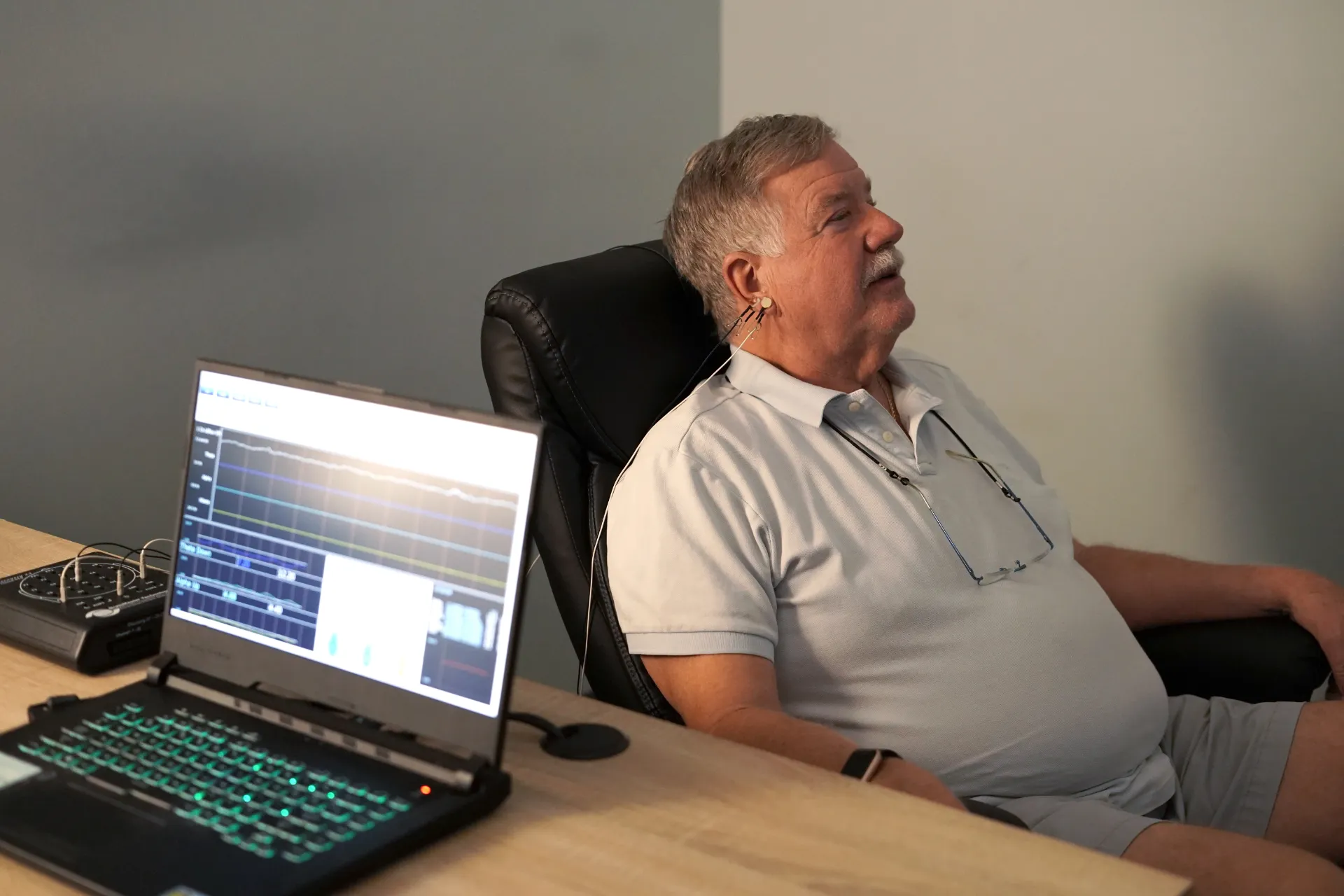
Neurofeedback Benefits for PTSD:

Hyperarousal and Startle Response Reduction
Hyperarousal — the persistent state of heightened alertness, irritability, and exaggerated startle response — is one of the most functionally impairing PTSD symptom clusters. It is driven by excess high-beta and gamma brainwave activity in the arousal circuits. Neurofeedback directly targets this dysregulation, training the brain to reduce overactivation in these frequency bands. Patients typically experience decreased physiological tension, improved startle threshold, and a greater sense of safety in their environment as brainwave patterns normalize over repeated sessions.
Trauma Memory Processing and Intrusion Reduction
Intrusive re-experiencing — flashbacks, nightmares, and unwanted trauma memories — represents the brain’s failed attempt to process and contextualize a traumatic event within normal memory. These symptoms are associated with theta-band dysregulation in the hippocampal-prefrontal circuit. Neurofeedback protocols targeting these regions and frequencies can help restore the brain’s capacity for memory consolidation and emotional contextualization, reducing the frequency and intensity of intrusive symptoms over time.
Emotional Regulation and Mood Stability
PTSD-related negative alterations in mood — including persistent negative emotions, emotional numbing, detachment, and anhedonia — reflect disrupted prefrontal regulatory control over limbic structures. Neurofeedback supports restoration of this regulatory capacity by reinforcing alpha and theta patterns in the prefrontal cortex and midline structures. Over time, patients commonly report improved emotional range, reduced emotional volatility, and greater capacity to engage in interpersonal relationships and daily activities.

Sleep Disturbance and Nightmare Reduction
Sleep disturbance and recurrent nightmares are among the most treatment-resistant PTSD symptoms. Neurofeedback can address these by training the brain to shift into slow-wave and sleep-spindle dominant states more effectively, improving sleep architecture. Targeting frontal theta and midline alpha patterns has been associated with reductions in trauma-related nightmare frequency and improvements in overall sleep quality, often within a relatively short treatment course.

Cognitive Performance and Concentration
Cognitive impairment — including difficulty concentrating, memory problems, and mental fog — is a common and functionally disabling feature of PTSD. These symptoms reflect disrupted default-mode network function and reduced prefrontal executive capacity. By reinforcing alpha and sensorimotor rhythm (SMR) activity, neurofeedback can help restore attentional control, working memory, and processing speed, improving the individual’s ability to function at work, in relationships, and in daily tasks.
IV Therapy for PTSD
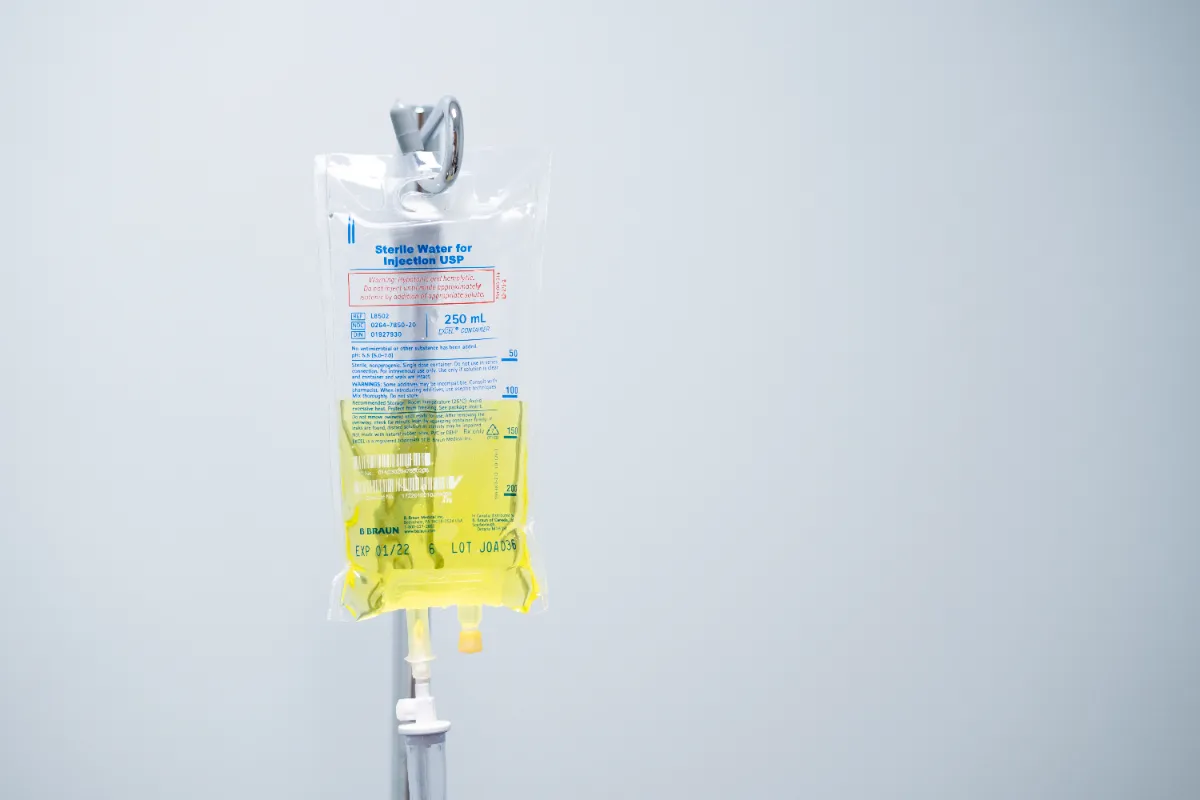
When nutrients are delivered intravenously, nearly 100% of those nutrients are immediately available to the cells and tissues via the bloodstream. This bypasses the digestive system, allowing for faster and more complete absorption than oral supplementation can provide. In individuals with PTSD, chronic stress dysregulation depletes key nutrients involved in neurotransmitter synthesis, mitochondrial function, and antioxidant defense, creating deficiencies that can perpetuate symptoms and impair recovery. IV therapy ensures targeted, rapid delivery of these nutrients at therapeutic concentrations directly to the brain and nervous system.
IV therapy research shows how patients may benefit from

Neurotransmitter Support and Mood Regulation
Chronic stress and trauma deplete key precursors to serotonin, dopamine, and norepinephrine — the neurotransmitters most directly implicated in PTSD symptoms of mood dysregulation, hyperarousal, and anhedonia. IV delivery of amino acids (particularly tryptophan and tyrosine precursors), B-complex vitamins, and magnesium directly supports neurotransmitter synthesis pathways, providing the biochemical building blocks needed for the nervous system to begin rebalancing its signaling chemistry.
Reduced Neuroinflammation and Oxidative Stress
PTSD is associated with elevated inflammatory markers including IL-6, TNF-alpha, and CRP, as well as increased oxidative stress in neural tissue. High-dose glutathione and vitamin C delivered intravenously provide potent antioxidant and anti-inflammatory support, helping to reduce this chronic neuroinflammatory state. Lowering oxidative burden in the brain supports neuronal health, reduces excitotoxicity, and may improve the brain’s capacity to respond to other neuroplasticity-promoting interventions.

Mitochondrial and Cellular Energy Restoration
The hypermetabolic demands of a chronically activated stress response deplete cellular energy reserves. NAD+ plays a central role in mitochondrial function and cellular energy production, and its levels decline under chronic stress conditions. IV NAD+ delivery supports restoration of mitochondrial efficiency, improving the brain’s metabolic capacity and supporting the cellular energy demands of neuroplasticity and repair. Magnesium further supports neurological signaling and calming brainwave activity.

Quickest, most effective way to
supply our cells with the nutrients
they need

Customized nutrient add-on
to target your specific
health concerns

Supports neurotransmitter balance, reduces inflammation, and restores cellular energy
Key IV Recommendations for PTSD Support
Myers’ Cocktail IV
Components: B-complex vitamins, Vitamin C, Magnesium, and Calcium
- B-complex vitamins support neurotransmitter synthesis (serotonin, dopamine, GABA) and nervous system regulation, both critically disrupted in PTSD.
- Magnesium modulates the HPA axis stress response, supports NMDA receptor regulation, and promotes calming brainwave activity.
- Vitamin C and antioxidants combat oxidative stress and neuroinflammation elevated by chronic trauma exposure.
NAD+ Trio IV
Components: NAD+, Glutathione, and Magnesium
- NAD+ is essential for cellular energy production and mitochondrial function.
- Glutathione is the brain’s primary antioxidant, reducing neuroinflammation and supporting detoxification at the cellular level.
- Magnesium supports emotional regulation, reduces hyperexcitability in stress circuits, and promotes restorative sleep — addressing three of PTSD’s core symptom domains simultaneously.
Pulsed Electromagnetic Field (PEMF) for PTSD
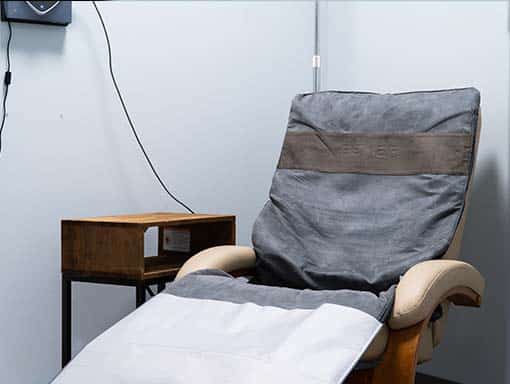
PEMF Therapy uses low-frequency electromagnetic waves to gently stimulate the body’s cells and nervous system. This non-invasive treatment modulates neural electrical activity, enhances cerebral circulation, and supports cellular energy production — key mechanisms relevant to the neurological and physiological dysregulation underlying PTSD. By targeting autonomic nervous system imbalance, chronic hyperarousal, and neuroinflammatory states, PEMF offers a supportive adjunct to HBOT and neurofeedback in a comprehensive PTSD care protocol.
How PEMF Therapy Supports PTSD

Autonomic Nervous System Regulation
PTSD is fundamentally a disorder of autonomic dysregulation — the nervous system is locked in a sympathetic-dominant (fight-or-flight) state, with diminished parasympathetic (rest-and-recovery) capacity. PEMF’s low-frequency electromagnetic fields interact with cellular ion channels and neural membranes, helping to restore balance between sympathetic and parasympathetic activity. Patients often experience reduced physiological tension, improved heart rate variability, and a greater capacity for relaxation — foundational requirements for trauma processing and recovery.

Reduces Hyperarousal and Improves Sleep
The hyperarousal symptoms of PTSD — persistent hypervigilance, exaggerated startle, and chronic insomnia — reflect dysregulated arousal circuits driven by excess excitatory neural activity. PEMF’s modulation of neural electrical gradients can calm overactive arousal pathways, reducing the threshold of the hypervigilance response and promoting the shift into slower brainwave states conducive to restorative sleep. This complements the sleep quality improvements documented with HBOT and provides an additional non-pharmacological pathway for addressing one of PTSD’s most treatment-resistant symptom clusters.

Supports Neuroinflammation Reduction and Cellular Repair
Chronic PTSD is associated with elevated neuroinflammatory markers and impaired cellular repair mechanisms in brain tissue. PEMF promotes mitochondrial function, reduces pro-inflammatory cytokine expression, and supports tissue repair at the cellular level. This anti-inflammatory, pro-regenerative environment complements HBOT’s structural repair mechanisms, potentially enhancing the neuroplastic response when therapies are used in combination as part of Extivita’s multi-modality protocol.
Mood Stabilization and Emotional Resilience
By modulating the electrical environment of neural networks involved in emotional processing — including the prefrontal cortex and limbic system — PEMF can support improved mood stability, reduced emotional reactivity, and greater psychological resilience over time. These effects support and reinforce the gains achieved through neurofeedback and HBOT, contributing to a comprehensive neurological rehabilitation approach that addresses PTSD across biological, functional, and psychological dimensions.
Ready to Take the Next Step?
Schedule a Free Wellness Visit to explore a personalized plan designed around your goals and concerns.
Schedule Your Free Wellness Visit →
References:
- Doenyas-Barak, K., Kutz, I., Lang, E., Assouline, A., Hadanny, A., Aberg, K.C., Levi, G., Beberashvili, I., Mayo, A., & Efrati, S. (2024). Hyperbaric oxygen therapy for veterans with combat-associated posttraumatic stress disorder: A randomized, sham-controlled clinical trial. The Journal of Clinical Psychiatry, 85(4).
- Doenyas-Barak, K., Catalogna, M., Kutz, I., Levi, G., Hadanny, A., Tal, S., Daphna-Tekoha, S., Sasson, E., Shechter, Y., & Efrati, S. (2022). Hyperbaric oxygen therapy improves symptoms, brain’s microstructure and functionality in veterans with treatment resistant post-traumatic stress disorder: A prospective, randomized, controlled trial. PLoS One, 17(2), e0264161. https://doi.org/10.1371/journal.pone.0264161. PMID: 35192645.
- Doenyas-Barak, K., Kutz, I., Levi, G., Lang, E., Beberashvili, I., & Efrati, S. (2023). Hyperbaric oxygen therapy for veterans with treatment-resistant PTSD: A longitudinal follow-up study. Military Medicine, 188(7-8), e2227-e2233. https://doi.org/10.1093/milmed/usac360. PMID: 36433746.
- Danan, D., Grosskopf, Y., Mayo, A., Efrati, S., Kutz, I., Lang, E., Alon, U., & Doenyas-Barak, K. (2025). Hyperbaric oxygen therapy for PTSD: Threshold effect for sustained symptom improvement in a biologically based treatment. Brain and Behavior, 15(8), e70757. https://doi.org/10.1002/brb3.70757. PMID: 40847457.
- Al-Shamali, H.F., et al. (2026). Effectiveness and safety of hyperbaric oxygen therapy for psychiatric disorders: A systematic review and meta-analysis. Psychiatry and Clinical Neurosciences. https://doi.org/10.1111/pcn.70077. PMID: 42169234.
- Doenyas-Barak, K., Elman Shina, K., Lang, E., Finci, S., Elkarif, V., Shorer, R., & Efrati, S. (2026). The effect of hyperbaric oxygen therapy on sleep quality across diverse patient populations. Frontiers in Neurology, 17, 1690633. https://doi.org/10.3389/fneur.2026.1690633. PMID: 41982416.
- Andrews, S.R., & Harch, P.G. (2024). Systematic review and dosage analysis: Hyperbaric oxygen therapy efficacy in the treatment of posttraumatic stress disorder. Frontiers in Neurology, 15, 1360311. https://doi.org/10.3389/fneur.2024.1360311. PMID: 38882688.
- Bin-Alamer, O., Abou-Al-Shaar, H., Efrati, S., Hadanny, A., Beckman, R.L., Elamir, M., Sussman, E., & Maroon, J.C. (2024). Hyperbaric oxygen therapy as a neuromodulatory technique: A review of the recent evidence. Frontiers in Neurology, 15, 1450134. https://doi.org/10.3389/fneur.2024.1450134. PMID: 39445195.
- Doenyas-Barak, K., Kutz, I., Lang, E., Merzbach, R., Lev Wiesel, R., Boussi-Gross, R., & Efrati, S. (2023). The use of hyperbaric oxygen for veterans with PTSD: Basic physiology and current available clinical data. Frontiers in Neuroscience, 17, 1259473. https://doi.org/10.3389/fnins.2023.1259473. PMID: 38027524.
- Doenyas-Barak, K., Kutz, I., Lang, E., Levi, G., & Efrati, S. (2023). Memory surfacing among veterans with PTSD receiving hyperbaric oxygen therapy. Undersea & Hyperbaric Medicine, 50(4), 395-401. PMID: 38055880.
- Sippel, L.M., et al. (2024). Novel pharmacologic and other somatic treatment approaches for posttraumatic stress disorder in adults: State of the evidence. The American Journal of Psychiatry, 181(12), 1045-1058. https://doi.org/10.1176/appi.ajp.20230950. PMID: 39616450.
- Harch, P.G., Andrews, S.R., Fogarty, E.F., Amen, D., Pezzullo, J.C., Lucarini, J., Aubrey, C., Taylor, D.V., Staab, P.K., & Van Meter, K.W. (2012). A phase I study of low-pressure hyperbaric oxygen therapy for blast-induced post-concussion syndrome and post-traumatic stress disorder. Journal of Neurotrauma, 29(1), 168-185. https://doi.org/10.1089/neu.2011.1895. PMID: 22026588.
- Harch, P.G., Andrews, S.R., Fogarty, E.F., Lucarini, J., & Van Meter, K.W. (2017). Case control study: hyperbaric oxygen treatment of mild traumatic brain injury persistent post-concussion syndrome and post-traumatic stress disorder. Medical Gas Research, 7(3), 156-174. https://doi.org/10.4103/2045-9912.215745. PMID: 29152209.